Posted on 11-Aug-2026 by Shruti Verma, Contributing Writer
Planning a Mediterranean cruise? One of the first choices you’ll face is East or West. It’s a decision that shapes not just where you go, but how the journey feels. Both itineraries feature remarkable ports rich in art, culture, and cuisine. Yet while the Western Mediterranean leans toward chic sophistication, the Eastern route is steeped in ancient history. Here’s everything you need to know before making your choice.
Typical Itineraries: Ports and Destinations
Whether you choose East or West, Mediterranean cruises are port-intensive and usually include daily stops at new cities.
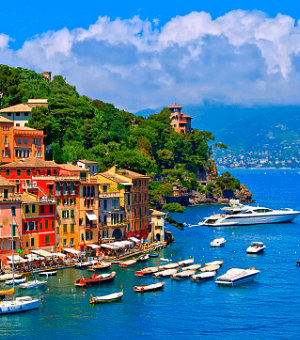
Western Mediterranean cruises from Barcelona or Civitavecchia visit ports in Spain, France, and Italy. Even a short 3-night cruise can give you a taste of each country. That said, 7-night itineraries are more common. The MSC 7-night cruise is a classic example. With stops at Marseille, Genoa, Civitavecchia, Palermo, and Ibiza, it offers a balance of historic old towns and lively beaches. On the other hand, the Celebrity Italy, Spain & French Riviera Cruise offers a more refined experience as you explore Nice, Portofino, La Spezia, Civitavecchia and Naples. Some Western Mediterranean cruises also include Malta.
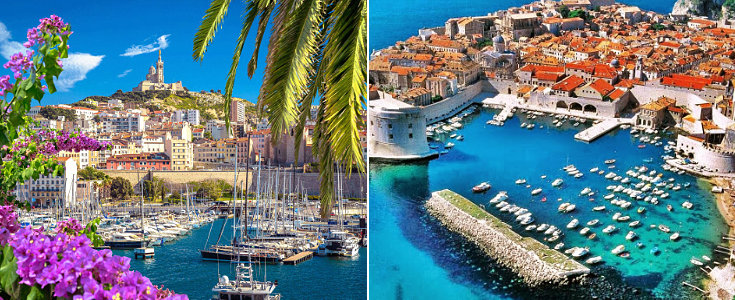
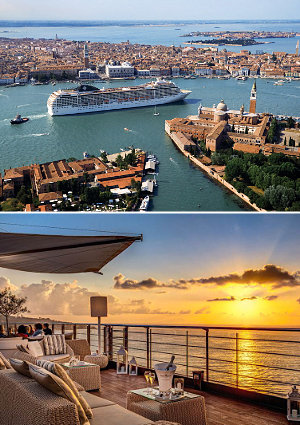
Eastern Mediterranean cruises often start or end in Athens, Istanbul, Venice, Rome, or Dubrovnik. Some itineraries like the 3-night cruise by Celestyal Cruises focus solely on the Greek Isles. Others add ports across Italy, Montenegro, Turkey, and Croatia. Take the Royal Caribbean’s 7-night Greek Isle voyage, for example. Along with Santorini, Mykonos and Athens in Greece, the cruise also takes you to the historic town of Split in Croatia. If you want to skip Greece, you could consider itineraries like Costa’s 7-night cruise that take you to Kotor, Bar, Dubrovnik, and Split.
 Activities and Excursions on Shore
Both Eastern and Western Mediterranean cruises pack in plenty to see and do.
Sailing on a 7-night Western Mediterranean cruise gives you a chance to visit fabulous museums and palaces as well as historic sites like the Colosseum. Excursions usually focus on Renaissance culture, Roman antiquity and life in medieval Europe. Eastern Mediterranean cruises call at ports with even older histories. While parts of Croatia and Montenegro showcase Ottoman-era architecture, many Greek sites date back to the Bronze Age. In both cases, joining a guided tour is usually advisable as it cuts down on the time spent waiting in queues.
When it comes to exploring the food scene, outdoor cafés are a must visit. Many ports on the western side also offer food and wine tours. Some cruise lines like NCL, even include hands-on experiences such as tapas and paella cooking classes on their Western Mediterranean cruises.
Beaches are a highlight on both sides of the Mediterranean Sea. The west leans toward pebbly coasts while the east is famed for long, sandy stretches and crystal-clear waters.
 Best Time to Cruise Each Region
The best time to cruise the Mediterranean depends on which side you choose. July and August are the peak tourist season for the Western Mediterranean countries. However, temperatures can soar and ports can be crowded. This makes the shoulder seasons a better choice. Planning your holiday in May, June or September lets you enjoy milder weather and fewer crowds without compromising on daylight hours for sightseeing.
If you’re looking at cruising along the Eastern Mediterranean region, April to June & September to October are the ideal months. A warm sea promises smooth sailing, while mild temperatures are ideal for walking through the ancient ruins. On the other hand, July and August are better suited to lounging on the beach and island hopping.
 Budgets and Logistics
Many cruise lines offer all-inclusive packages on both routes. These usually cover your onboard accommodation, main meals and basic beverages. Where the difference often comes in is how much you’ll spend onshore.
Western Mediterranean cruises may be slightly more expensive. On the plus side, the port cities are well-connected international gateways. Thus, it’s easier to find flights to and from these ports. Since Spain, Italy and France fall into the Schengen region, you’ll need a single visa for this cruise. You also won’t need to worry about multiple currency conversions.
Eastern Mediterranean cruises often offer better overall value. Guided shore excursions as well as on-shore dining and shopping are generally more budget-friendly. However, reaching embarkation ports like Athens or Dubrovnik may require multiple flight connections. You may also need different visas and have to use multiple currencies during your trip.
Choosing the Right Route for Your Travel Style
Ultimately, picking between Western and Eastern Mediterranean cruises comes down to the experience you’re looking for. Many first-time cruisers prefer Western Mediterranean cruises. Short itineraries like the MSC 2-night cruise are popular as quick getaways. These routes are also popular with multi-generational family cruisers.

People who have already explored France, Spain and Italy are often drawn to Eastern Mediterranean cruises. These cruises are also ideal for people interested in ancient history. They also appeal to young adults and groups eager to hop between Greek islands.
Once you’ve chosen a direction, Cruisebay simplifies the planning process. Our cruise consultants can help you sift through itineraries, compare packages and find a cruise that’s just right for you. From selecting cabins to planning excursions and handling visas, insurance, flights, and hotel bookings, we take care of every detail. In addition, we’ll walk you through visa applications, insurance, and all the other required paperwork while taking care of flights and hotel bookings at your embarkation and return ports. Ready to start planning? Check out our top deals on Mediterranean cruises.
FAQs
Is a Western or Eastern Mediterranean cruise better?
Both regions have their own appeal. Western Mediterranean cruises suit first-time visitors, while Eastern itineraries are perfect for exploring ancient history and more offbeat destinations.
Do I need a visa for a Mediterranean cruise?
Yes, Indian passport holders will need a visa for Mediterranean cruises. A single Schengen visa is usually sufficient for Western Mediterranean cruises. You may need additional visas for Eastern Mediterranean cruises depending on the itinerary.
What is the best time to take a Mediterranean cruise?
The best time for a Mediterranean cruise depends on the region. May, June, and September are ideal for Western Mediterranean cruises, while April to June and September to October are ideal for Eastern Mediterranean cruises.
